
Sasquatch
Skedaddle
Adobe Illustrator, InDesign | Print & Advertisement | 2025
Backcountry Squatters is a non-profit based in Bozeman, Montana whose mission is to provide a space and communtiy for women, non-binary people and members of the LGBT+ community. There are 16 chapters of Backcountry Squatters at universities all around the United States. Every fall, the non-profit organizes a fundraising running race where there are 1mile, 5K, & 10K races. I was chosen to design the digital marketing campaign, with a logo, emblem, banners and mockups for the organization to use to advertise the event. To learn more about Backcountry Squatters, visit their website: www.backcountrysquatters.org

This way for more
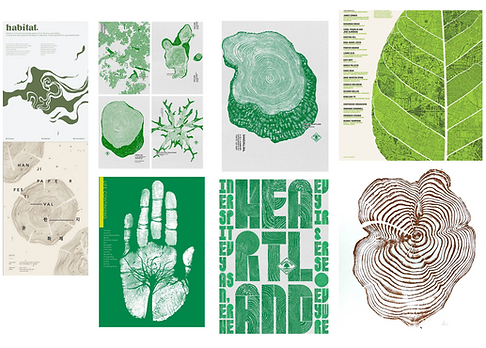
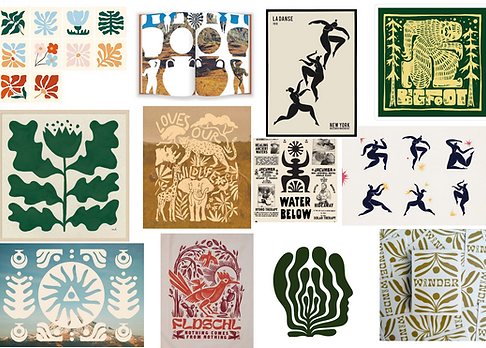
Establishing a Mood
The founders of Backcountry Squatters wanted to expand their annual fundraiser beyond Bozeman, Montana, and develop it into a nationwide campaign that could connect the organisation’s chapters and communities across the country. Because the campaign would rely heavily on digital platforms, the visual identity needed to feel cohesive, accessible, and engaging across a wide range of audiences. It also needed to reflect the organisation’s diverse community while appealing to a younger audience, with a visual direction that leaned into femininity.
Rather than revisiting the designs from previous years, we decided to start fresh with a new colour palette and visual identity. Green became the foundation of the palette, connecting the campaign to the outdoors, while imagery of the Sasquatch and natural environments helped establish a sense of place and reinforce the organisation’s identity.
We explored two potential visual directions: a cooler, layered approach inspired by the organic patterns of tree rings and silhouettes, and a warmer, more playful direction using flat colours, bold shapes, and cartoon-like interpretations of nature. Ultimately, we chose the latter. Its energetic shapes, approachable illustration style, and warm palette felt best suited to the youthful, independent spirit of Backcountry Squatters while giving the campaign a distinctive identity of its own.
Type Study
We initially placed greater emphasis on the word, “Skedaddle,” reflecting the event’s focus as a running fundraiser. To explore the identity, we experimented with a range of rounded, bold display typefaces, playing with variations in stroke weight, scale, and spacing to create a sense of movement and energy.
As the design developed, we decided that both words should carry equal visual significance. This shifted the focus away from the hierarchy of the typography and toward colour as the primary tool for creating contrast and distinction between elements across the final campaign materials.


Color Palette
The team initially advocated for a cooler colour palette, with green as the primary colour. However, because the event was intended to reach communities far beyond its original location, we wanted the palette to feel warmer, more energetic, and broadly inviting.
We developed a warmer range of greens, anchored by Canopy, the darkest shade in the palette, and Leaf, a bright chartreuse green. To create contrast and add a more playful, youthful quality, we introduced Petal, a complementary pink. Together, the colours create a palette that feels connected to nature while still feeling vibrant, approachable, and distinctive across the campaign.
Incorporation
After narrowing down the options for fonts to use as the wordmark for the event, it needed to include the backcountry squatters logo somehow. I played with the circular counter of the letter Q by adding the circular logo inside, and creating a new Q for the other font.
We also wanted to include the Backcountry Squatters logo, and after some iterations with the color palette, we landed on the staggered combination of Petal and Leaf with the taller rounded type and custom wide Q. This option was favored by the clients and was then used for the final wordmark.

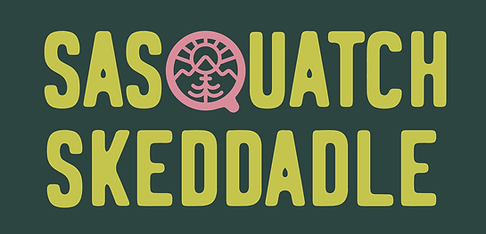
Final Wordmark
Using the font Logbond and a widened Q to include the Backcountry Squatters logo in a fun and unique way that doesnt take away from the message. The color Petal draws the eye in.
Sasquatch Process
We wanted the Sasquatch to remain a central part of the race’s visual identity, so I developed an illustration of the character actively participating in the run. The goal was to create something playful and approachable while still feeling distinctive within the broader campaign.
I developed a cartoon-like, silhouetted illustration and experimented with ways to emphasise the Sasquatch’s characteristic hair and texture without making the image overly complex or compromising its readability at different sizes.
The Sasquatch was also intentionally designed to be non-gendered, reinforcing the event’s emphasis on inclusivity and reflecting Backcountry Squatters’ broader goal of creating an open and welcoming community for everyone.


Emblem & Combining
To incorporate nature and reflect the femme-outdoors culture that Backcountry Squatters promotes, I developed a floral emblem to complement the event wordmark. The illustration combines a flower, winding vine, and organic outline to create a distinct symbol that feels connected to the outdoors while reinforcing the event’s welcoming, community-oriented identity.
The emblem was designed to work alongside the wordmark and extend naturally into the event’s merchandise and broader visual system. I developed several variations to demonstrate its versatility across different applications, allowing the mark to remain recognisable and effective across both print and digital formats.
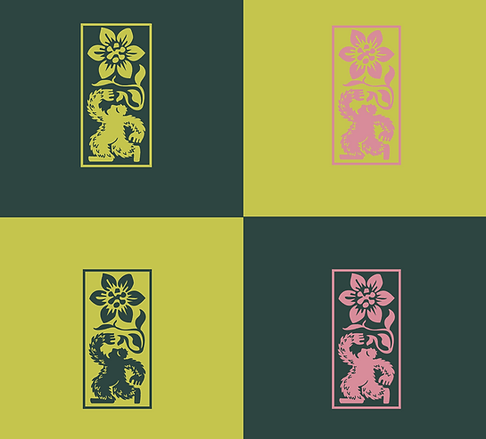


Social Media


Sign Up Banners


Wearable Merchandise
To extend the event identity beyond the race itself, I designed merchandise including hoodies and T-shirts featuring the Backcountry Squatters logo and campaign colour palette. The selected designs demonstrate how the visual system translates into wearable applications while maintaining a cohesive connection to the broader brand.
The BCS team particularly loved the floral emblem and wanted it to take centre stage. We chose to enlarge the emblem across the back of the garments, creating a bold graphic that felt more like something participants would genuinely want to wear beyond the event. This approach turned the merchandise from simple event apparel into an extension of the campaign identity, designed to build continued visibility and community after race day.


